Playfull: a game-discovery platform, every page designed
Playfull is a game-discovery platform where players find games, complete missions and earn rewards. I was its only product designer for the first year: I rebuilt the design foundation and designed every page; from 2026 I’ve prototyped them in code with AI, with engineers reviewing and building every change.
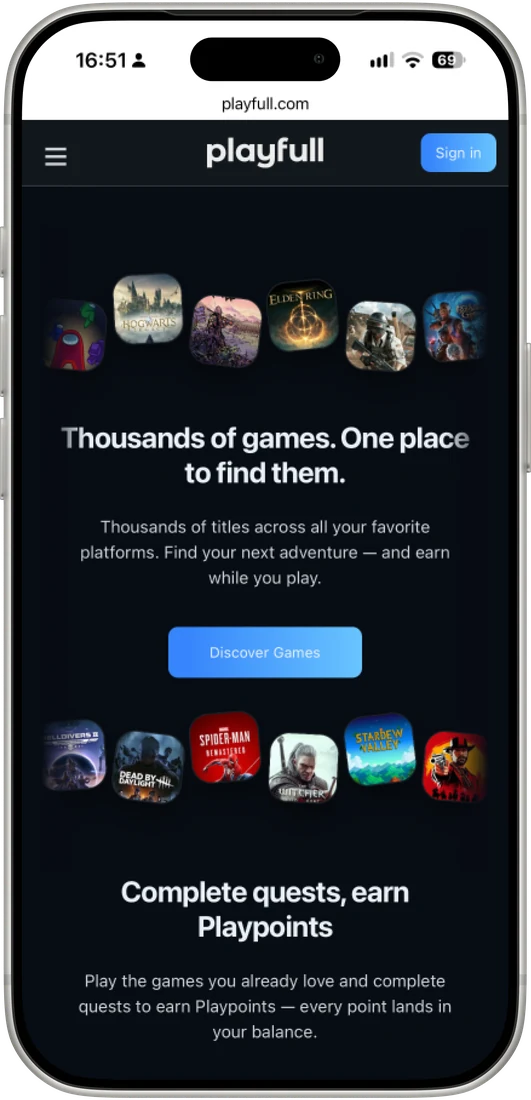
Two products, two brands, no design process and one designer: everything had to become one clear game-discovery product.
Rebuilt the Figma and the first design system, set up the request-to-ship process with the PM, designed the UX/UI of every page, then moved prototyping into the codebase with AI, with engineers reviewing and building.
Every page live today. The quarterly roadmap became monthly; work that took a month takes a week. Metrics available in conversation.
Context
Playfull is a game-discovery platform: players find games, complete missions, earn Playpoints and redeem them for Steam keys. I joined in late 2024, when Playfull and Earn Alliance came together, and for the first year I was the only product designer.
Playfull also ran an offerwall product alongside the platform, and I designed for both until it was retired in 2026.
The problem
No process and no standard for requests; most work was firefighting. The Figma was a pile of files with no pages or structure, with components from two products and two brands. Because I was the only designer, marketing, branding and sales design landed on me too.
And the product itself: a long, click-heavy purchase flow, a catalog with no real discovery, a paid-traffic page with no goal.
Process
Foundation
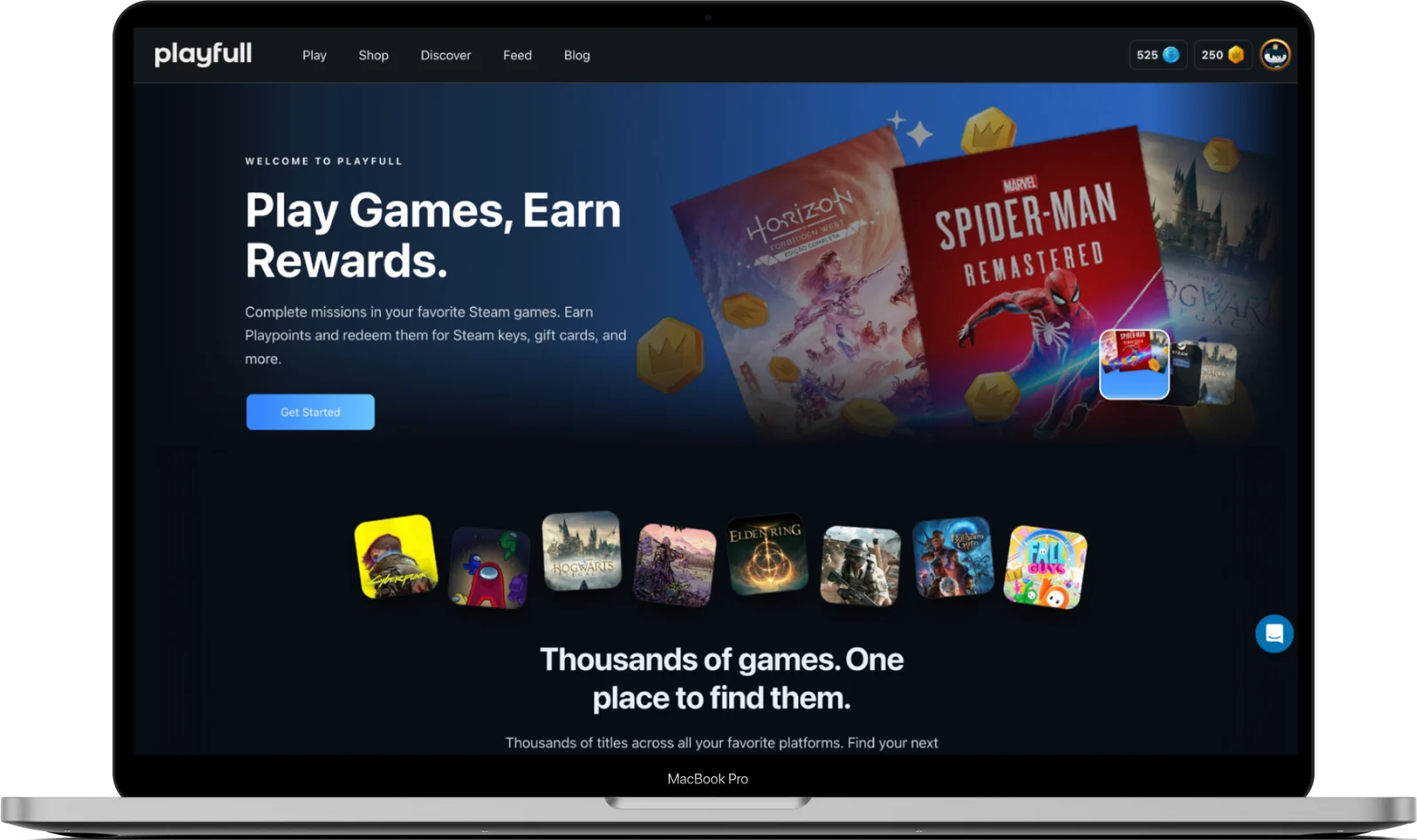
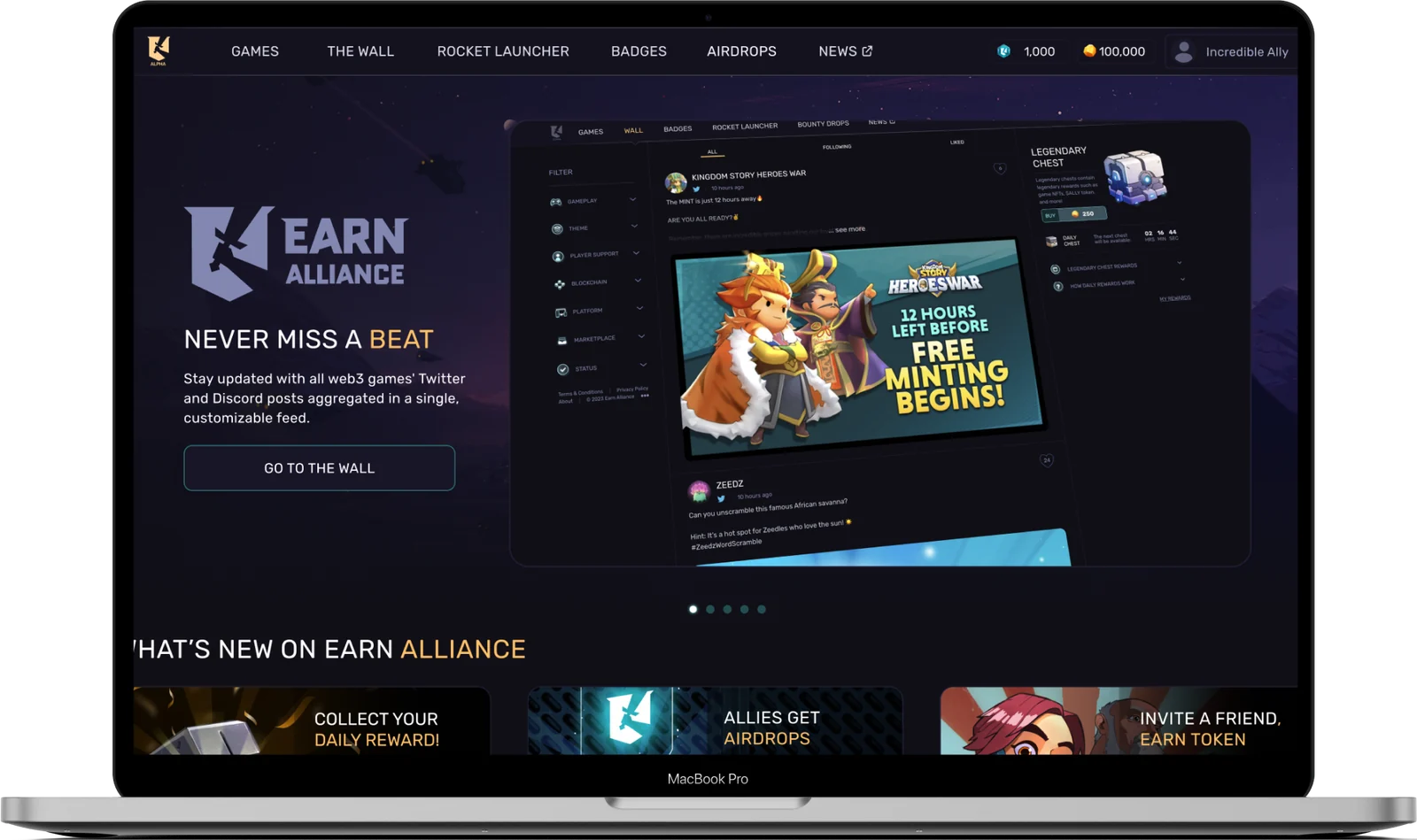
Rebuilt the Figma from scratch and the first Playfull design system: decided which Earn Alliance components came over and which didn’t, and applied Playfull’s branding. Before handing anything off, I learned how the engineers code, so handoff stopped being a back-and-forth.
An operating model
Our product lead taught me to write specs that have a point. We use OHAKRs, his take on OKRs: an Objective, a Hypothesis, the Assumptions behind it and the Key Results we’ll measure. Every request became a spec, and the specs became a quarterly design roadmap under the company’s OKRs.
- 1O
Objective
Why we’re doing this
The goal, in words.
- 2KR
Key Results
What we’ll measure
The goal, in numbers.
- 3A
Assumptions
Why we believe it will work
The concrete model that adds up to the KRs.
- 4H
Hypothesis
What we’ll do, in one line
Written last, so it sums up the work instead of steering it.
OHAKRs is the spec format our product lead built on top of OKRs. It connects the result we want to the work we control, so we don’t ship work that doesn’t perform or set goals with no path.
The pages
- Home: a three-step proposition (play → earn Playpoints → redeem), with featured quests and “Continue with Steam”.
- Discover: the full catalog and the game page, with game data pulled from Steam. Strategy before UI: a computed score over a hand-set priority, a content policy designed into the feed, KRs the team still tracks.
- Shop: Steam keys and gift cards; Playpoints cashback on every purchase; explicit processing, delivered and failed states for just-in-time key delivery; a reveal gate before the key.
- Play, Feed, Profile: missions and quests, game news, and the player’s balance and inventory.
- Sign-in and paid acquisition: a full-viewport sign-in, and one guided landing page (connect Steam → buy → redeem → first quest) that became the template for every campaign.
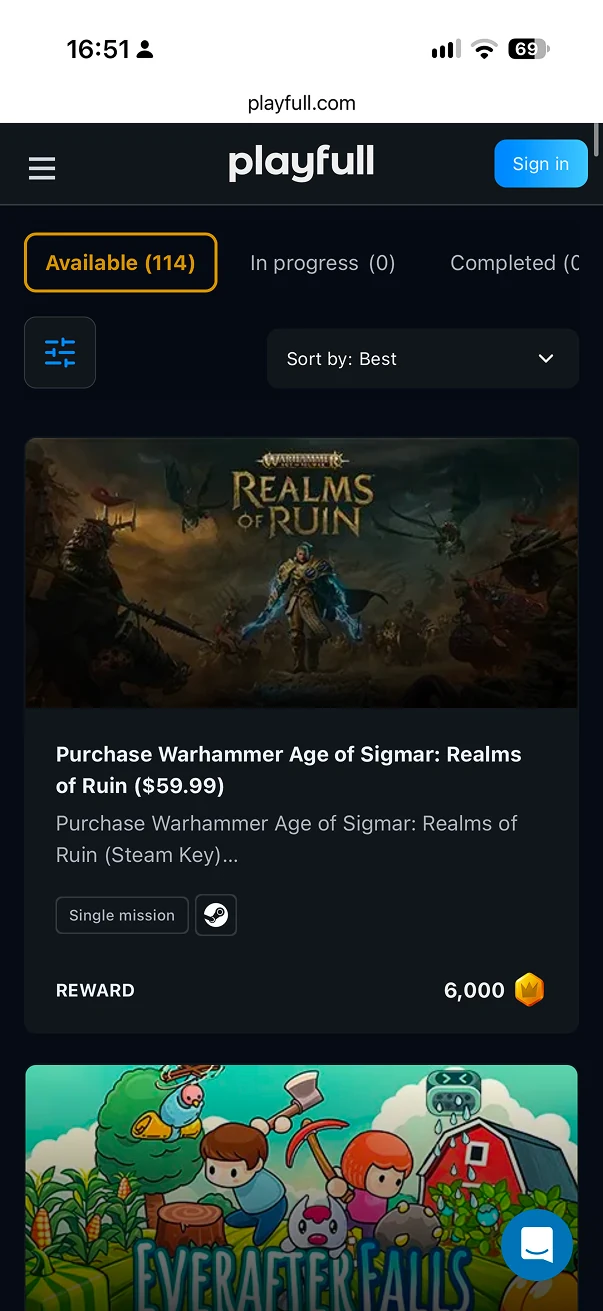
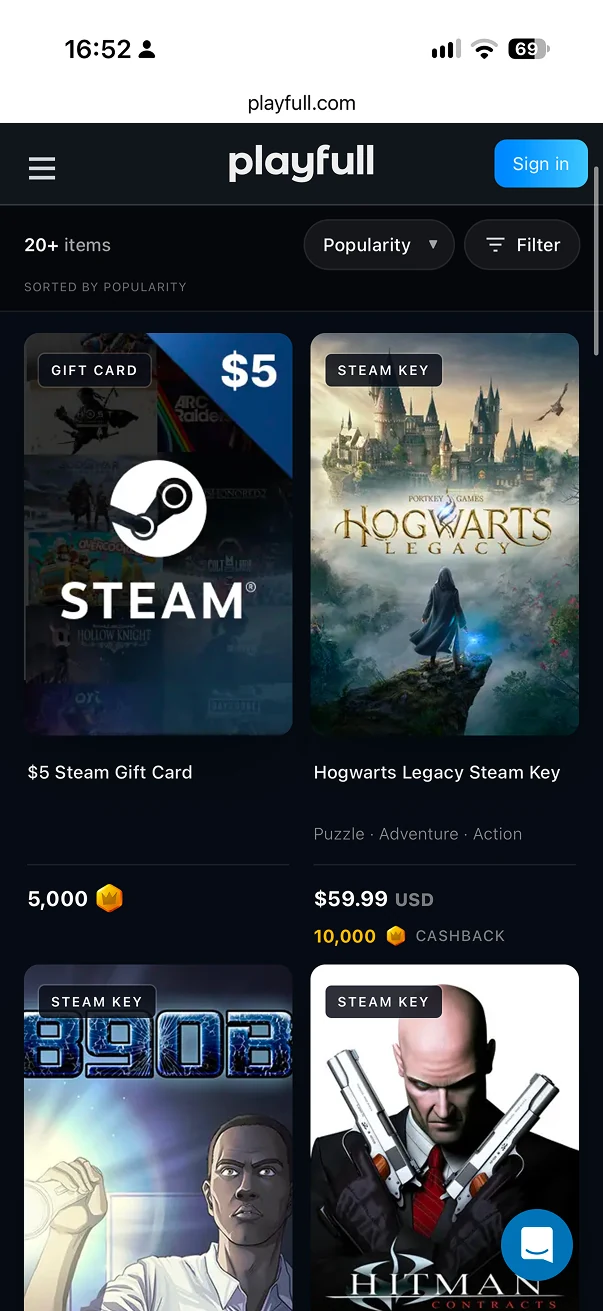
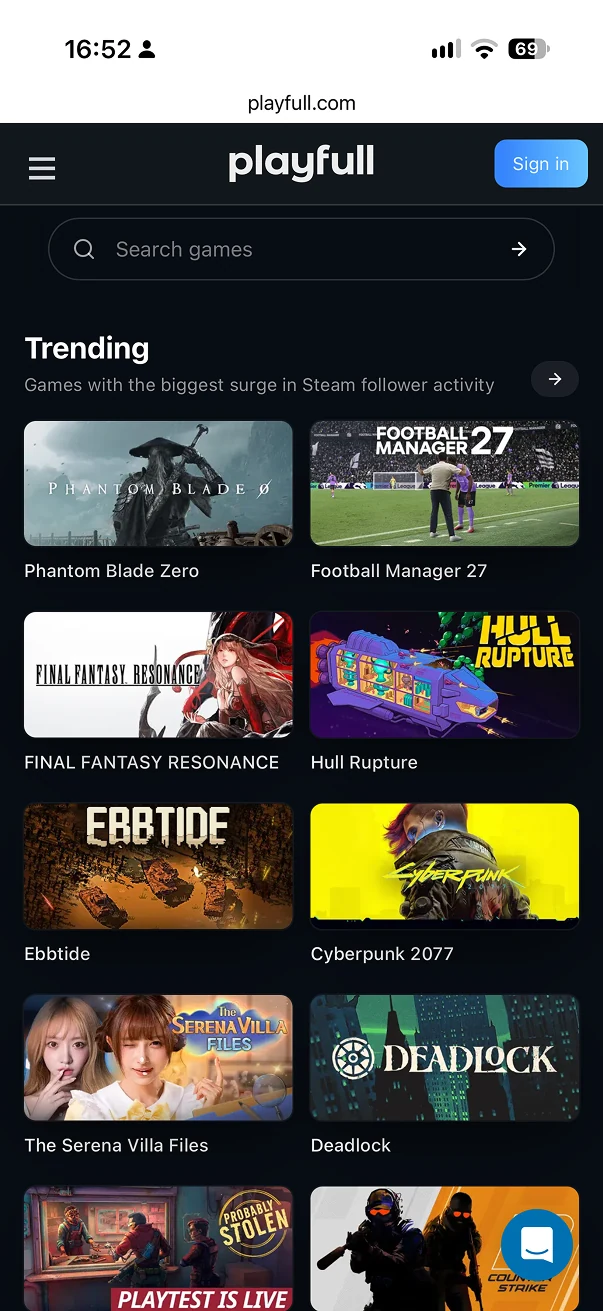
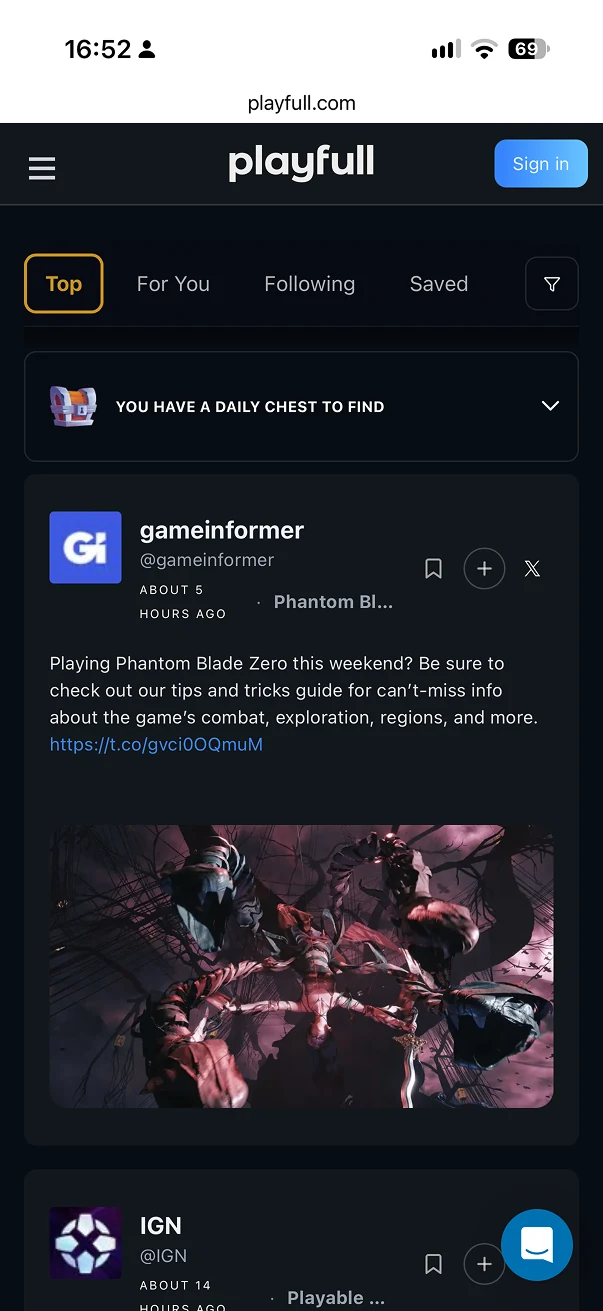
Four of the pages I designed, as they are live on playfull.com.
Leaving Figma
AI-assisted work started as a team effort: everyone had tried it, everyone had seen the slop. With Claude it was worth a process. I started with Figma Make on a few pages, then moved prototyping into the codespace: I prototype with AI on a branch, and the front-end engineer reviews it and builds the real thing.
Check the Key Results, learn, and feed the next spec.
Time to deliver the same kind of feature, before and after. A full page went from about a month to about a week, and a three-month project now takes two to three weeks. Proportions are illustrative.
Decisions
Engineers stopped guessing and marketing stopped sending mockups. It costs design time; it buys a product that ships what was decided.
The team ships daily and Figma lagged by weeks. Designers lose some exploration speed; the product gains one source of truth.
Launching pages without usability tests because the pace didn’t allow it, then improving them from session recordings and results. The changes hit their goals, but it’s not how I’d choose to work.
Outcome
Monthly active users on playfull.com, a platform I designed end to end. The shape tells the story; numbers in conversation.
I designed the UX/UI of every page of playfull.com live today. The quarterly roadmap became a monthly one; work that took a month takes a week; the team plans in monthly sprints and has shipped every one ahead of schedule. The operating model (specs with KRs, roadmap, code as source of truth) is how the team still works. Metrics available in conversation.
Takeaway
The biggest change wasn’t a page. It was where my time goes. In 2024 most of a feature’s life was spent in Figma, in handoff, and in the back-and-forth after an engineer rebuilt what I had drawn. Now that time goes into the spec before we start and into the Key Results after we ship. The part in the middle is a prototype in code, made with AI, that an engineer reviews and builds on. A full page that took about a month now takes about a week, and a project we would have planned for a whole quarter takes two or three weeks.
Being the only designer for a year also showed me where process helps and where it gets in the way. At first, requests arrived from every side and I spent a lot of my days putting out fires. Writing OHAKRs with our product lead felt slow in the beginning, but it gave every request a reason to exist, gave me a fair way to say “not now”, and meant engineers stopped guessing what a screen was for.
What I’d change: test more before launch. Because of the pace, several pages went live without usability tests, and we improved them afterwards from session recordings and results. They reached their goals, but I would rather find a problem with five players than with all of them. Every result feeds the next spec, so the work keeps turning: define, build, measure, learn, and around again with a sharper goal. The same spiral as on my home page, one turn at a time.